Fire safety is an important consideration for every building, whether it is a manufacturing unit, warehouse, hospital, office complex, shopping centre, educational institution, or residential project. While no one expects a fire emergency to occur, having the right Fire Safety Equipment in place can significantly improve preparedness and help reduce risks to people and property.
Across Gujarat, rapid industrial growth and expanding commercial infrastructure have increased the need for comprehensive fire protection systems. Rather than relying on a single device, modern buildings are protected through a combination of interconnected equipment designed to detect, control, and respond to fire incidents. Understanding these components helps building owners, facility managers, procurement teams, and consultants make informed decisions during planning and maintenance.
What Is Fire Safety Equipment?
Fire safety equipment refers to the collection of devices, systems, and accessories used to prevent, detect, control, and respond to fire emergencies. Each component serves a specific purpose within the overall fire protection strategy.
Some equipment helps identify a fire in its earliest stages, while other systems assist occupants in evacuation or support firefighters during emergency response.
A well-designed fire safety system works as an integrated solution rather than as individual products installed independently.
Why Fire Safety Equipment Matters
Fire incidents can spread rapidly if they are not detected and addressed quickly. Properly selected and maintained equipment offers several important benefits:
- Supports early fire detection
- Helps contain fire before it spreads
- Improves occupant safety
- Protects valuable assets and infrastructure
- Reduces operational downtime
- Supports compliance with applicable fire safety regulations
- Assists emergency responders with effective firefighting
For industries operating across Gujarat's manufacturing hubs, logistics parks, commercial developments, and institutional campuses, fire protection is an essential part of responsible facility management.
Essential Types of Fire Safety Equipment
A complete fire protection system usually includes multiple categories of equipment.
Fire Detection Systems
Detection systems are designed to identify the earliest signs of fire.
These commonly include:
- Smoke detectors
- Heat detectors
- Manual call points
- Fire alarm control panels
- Audible and visual alarms
Early detection provides valuable time for evacuation and emergency response.
Fire Alarm Systems
Fire alarms notify occupants when a fire emergency has been detected.
Modern systems may include:
- Sounders
- Flashing warning lights
- Voice evacuation systems
- Integrated building management interfaces
Prompt notification allows building occupants to react quickly and safely.
Fire Extinguishers
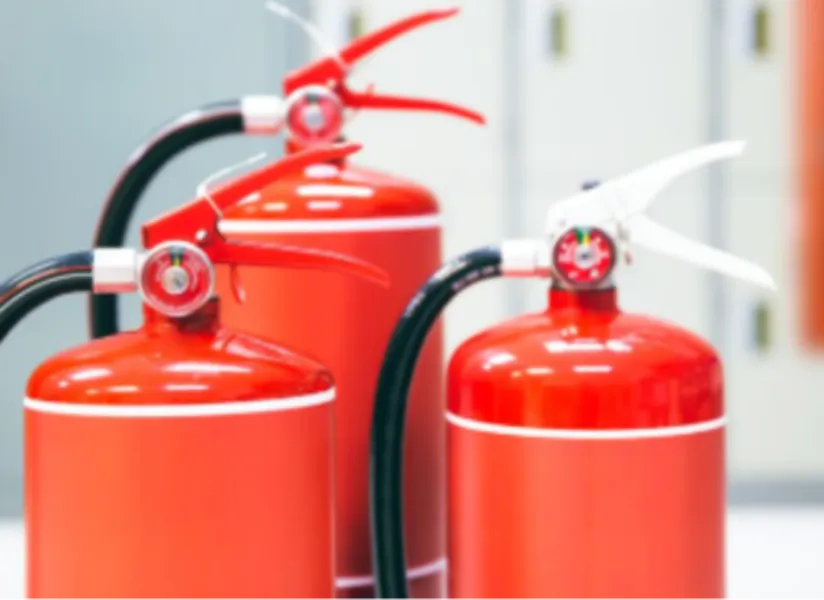
Portable extinguishers provide immediate firefighting capability for small fires.
Different extinguisher types are designed for different fire classes, making correct selection essential.
Common options include:
- Water
- Foam
- Dry chemical powder
- Carbon dioxide
- Clean agent extinguishers
Personnel should receive basic training to ensure extinguishers are used appropriately.
Fire Hose Reels
Fire hose reels provide a continuous water supply for controlling Class A fires involving materials such as wood, paper, cardboard, and textiles.
Because they remain connected to a water source, they offer longer operating capability than portable extinguishers.
Fire Hydrant Systems
Fire hydrants allow firefighters or trained emergency teams to access large volumes of water during firefighting operations.
These systems are particularly important for:
- Industrial facilities
- Warehouses
- Large commercial buildings
- Institutional campuses
Proper hydrant network planning ensures water can reach different areas of the property efficiently.
Automatic Fire Sprinklers
Sprinkler systems automatically activate when exposed to heat generated by a fire.
Their benefits include:
- Early suppression
- Reduced fire spread
- Lower property damage
- Improved occupant safety
Sprinklers have become standard fire protection components in many commercial and industrial developments.
Fire Pumps
Fire pumps ensure sufficient water pressure reaches hydrants, sprinklers, and hose reels when normal pressure is inadequate.
Reliable pumping systems are especially important for:
- High-rise buildings
- Large factories
- Warehouses
- Multi-building campuses
Choosing Fire Safety Equipment for Different Buildings
Not every building requires the same combination of equipment. Selection depends on several factors.
These include:
- Building occupancy
- Floor area
- Fire load
- Nature of operations
- Storage materials
- Local regulations
- Risk assessment findings
For example, hospitals require uninterrupted fire protection while educational institutions prioritize safe evacuation. Manufacturing plants may need additional protection for machinery, hazardous materials, or production areas.
A professional fire risk assessment helps determine the most suitable combination of systems.
Maintenance Is Just as Important as Installation
Installing fire safety equipment is only the first step. Without regular inspection and maintenance, even high-quality equipment may fail when needed.
Routine maintenance typically includes:
- Functional testing
- Pressure checks
- Alarm verification
- Sprinkler inspection
- Fire pump testing
- Hose and hydrant inspection
- Battery replacement
- Equipment cleaning
- Documentation updates
Scheduled inspections help identify wear, corrosion, damage, or missing components before they become safety concerns.
Common Mistakes That Reduce Fire Protection
Many organizations unintentionally weaken their fire safety preparedness through avoidable oversights.
Some common issues include:
- Blocking access to firefighting equipment
- Ignoring inspection schedules
- Using incompatible replacement parts
- Failing to train employees
- Neglecting periodic fire drills
- Delaying repairs after faults are identified
Addressing these issues improves the overall effectiveness of a building's fire protection strategy.
Building a Comprehensive Fire Safety Culture
Effective fire protection extends beyond installing equipment. Employees, contractors, and occupants should understand emergency procedures, evacuation routes, and the basic operation of available firefighting systems.
Regular awareness programmes, emergency drills, and preventive maintenance help create a workplace where fire safety becomes part of everyday operations rather than an afterthought.
As Gujarat continues to expand its industrial, commercial, healthcare, and infrastructure sectors, investing in dependable fire protection systems remains a practical priority. Companies such as Marichi Fire and Safety contribute to these efforts by manufacturing a wide range of fire safety equipment suited for diverse applications. Exploring product information through resources like marichifiresafety.com, while working with qualified consultants and installers, enables organizations to build fire protection systems that are reliable, compliant, and prepared to support safer environments for years to come.
Keywords