
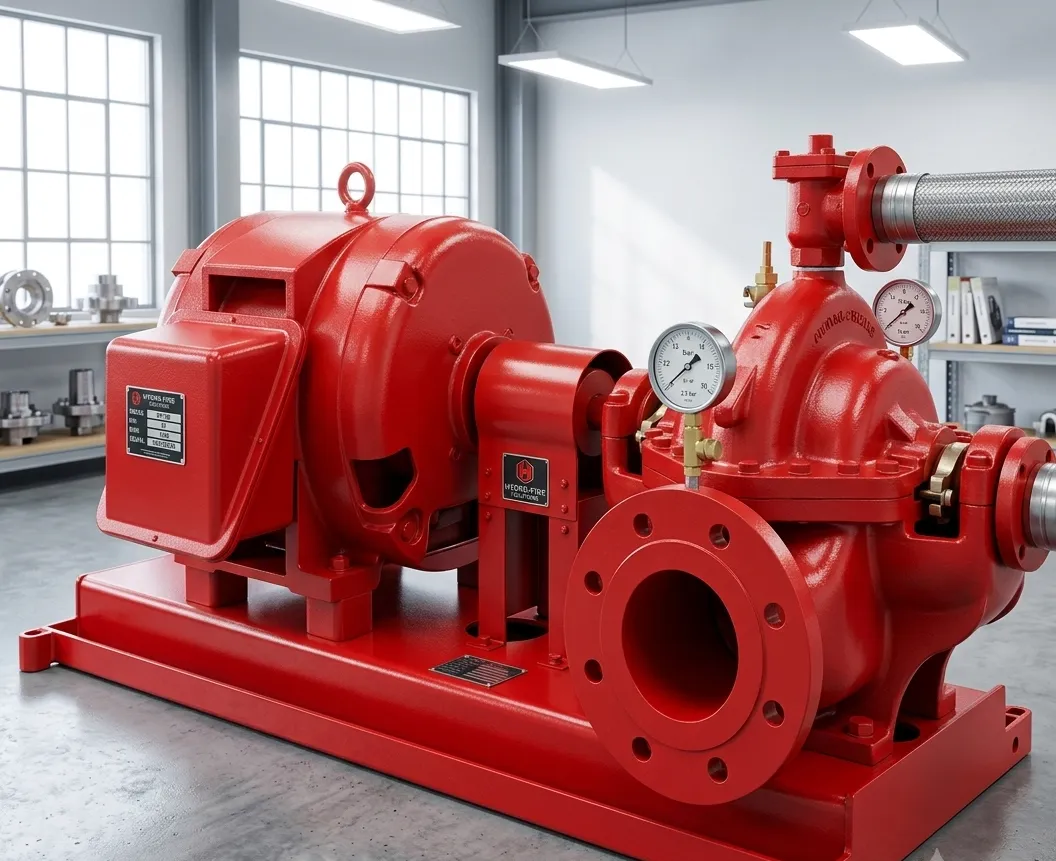
A dependable Fire Pump is the backbone of many fire protection systems. While hydrants, sprinklers, and hose reels are designed to deliver water during an emergency, their effectiveness depends on maintaining adequate water pressure throughout the system. When the available water supply cannot provide sufficient pressure on its own, a fire pump becomes essential.
For industrial facilities, commercial buildings, hospitals, warehouses, educational campuses, and infrastructure projects across Gujarat, selecting the right fire pump requires more than comparing capacities or prices. It involves understanding the building's fire protection requirements, water supply conditions, system design, and future operational needs.
Why Is a Fire Pump Important?
A fire pump is designed to increase water pressure so that firefighting systems can operate effectively during an emergency. It supports critical fire protection components such as:
- Fire hydrant systems
- Automatic fire sprinklers
- Fire hose reels
- Water monitor systems
Without adequate pressure, even well-designed fire protection systems may not perform as intended during a fire incident.
When Does a Building Need a Fire Pump?
Not every building requires a dedicated fire pump. However, many larger facilities depend on one because municipal water pressure alone may not be sufficient.
A fire pump is commonly installed in:
- Manufacturing plants
- Warehouses
- Multi-storey commercial buildings
- Hospitals
- Shopping malls
- Airports
- Industrial parks
- Logistics centres
- Educational institutions
- Large residential developments
Projects with extensive piping networks or significant elevation differences often require additional pressure support.
Understanding the Different Types of Fire Pumps
Selecting the right pump begins with understanding the available options.
Centrifugal Fire Pumps
These are among the most widely used fire pumps because they provide consistent water flow and are suitable for many commercial and industrial applications.
Horizontal Split Case Pumps
Known for their durability and ease of maintenance, these pumps are commonly used in facilities requiring high water flow over extended periods.
Vertical Turbine Pumps
These pumps are typically selected when water is sourced from underground tanks, reservoirs, or wells.
End Suction Pumps
Compact and efficient, end suction pumps are often suitable for smaller buildings where space is limited.
The choice depends on the building's design, available water source, and hydraulic requirements.
Key Factors to Consider Before Selecting a Fire Pump
Choosing the correct fire pump involves evaluating several technical factors rather than focusing solely on pump size.
Water Supply
The available water source plays a major role in pump selection.
Consider:
- Underground storage tanks
- Overhead tanks
- Municipal water supply
- Reservoirs
The pump should be compatible with the available water source while maintaining reliable performance during emergencies.
Required Flow Rate
Every building requires a specific water flow based on its fire protection design.
Factors influencing flow requirements include:
- Building occupancy
- Fire load
- Protected floor area
- Number of hydrants
- Sprinkler demand
A properly engineered hydraulic calculation helps determine the required capacity.
Pressure Requirements
The pump must provide enough pressure to ensure water reaches every hydrant, sprinkler, or hose reel within the building.
Large industrial campuses and high-rise structures typically require higher operating pressures than smaller commercial buildings.
Power Source
Fire pumps are commonly powered by:
- Electric motors
- Diesel engines
Each option has advantages depending on site conditions, utility reliability, and project requirements.
Planning for Reliability
Fire pumps are emergency equipment, so reliability is critical.
Important considerations include:
- Backup power arrangements
- Automatic starting capability
- Regular testing schedules
- Easy maintenance access
- Durable construction
A well-maintained pump should be ready to operate immediately whenever required.
Common Mistakes During Fire Pump Selection
Several avoidable mistakes can affect long-term performance.
These include:
- Selecting pump capacity without hydraulic calculations
- Ignoring future building expansion
- Choosing incompatible equipment
- Overlooking maintenance accessibility
- Failing to verify water source capacity
- Delaying routine testing
Working with experienced fire protection professionals helps reduce these risks.
Routine Maintenance Is Essential
A fire pump should be inspected regularly to ensure dependable operation.
Maintenance programmes typically include:
- Weekly or scheduled test runs
- Pressure monitoring
- Valve inspections
- Fuel level checks for diesel pumps
- Battery inspection
- Bearing lubrication
- Controller testing
- Leak inspection
Consistent maintenance reduces the likelihood of equipment failure during emergencies.
Fire Pumps as Part of an Integrated Fire Protection System
A fire pump delivers the greatest value when integrated with the complete fire protection infrastructure.
This often includes:
- Fire alarm systems
- Fire hydrants
- Fire sprinklers
- Fire hose reels
- Fire extinguishers
- Water storage tanks
- Emergency evacuation systems
Together, these components create multiple layers of protection that improve overall emergency preparedness.
Making an Informed Decision
Selecting the right fire pump is an investment in the long-term safety and resilience of any commercial or industrial facility. Rather than choosing equipment based solely on initial cost, organizations should evaluate performance requirements, water supply conditions, building characteristics, maintenance needs, and future expansion plans.
As industrial and infrastructure development continues across Gujarat, dependable fire protection remains a priority for businesses and institutions alike. Companies such as Marichi Fire and Safety manufacture fire protection equipment that supports a wide range of project requirements. Reviewing detailed product information through resources like marichifiresafety.com and consulting experienced fire protection engineers can help project teams choose systems that deliver reliable performance while contributing to safer and more resilient buildings.
Keywords