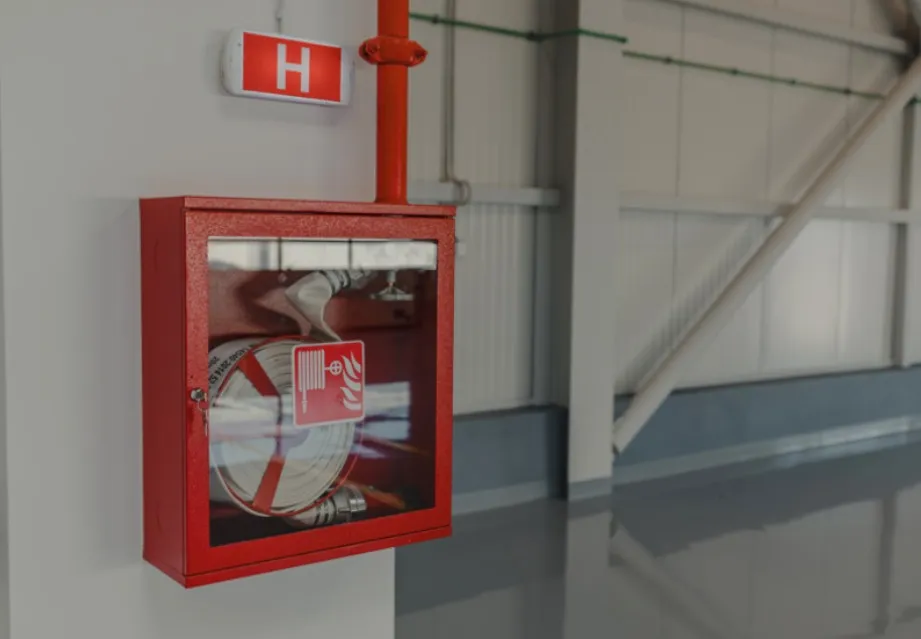
A fire hose cabinet is much more than a storage enclosure. It protects essential firefighting equipment from damage, keeps it easily accessible during emergencies, and contributes to an organised fire protection system. Whether you are planning a manufacturing facility, hospital, shopping complex, warehouse, or educational institution, selecting the right Fire Hose Cabinet Manufacturer can influence the long-term reliability of your fire safety infrastructure.
With increasing industrial development across Gujarat, businesses are paying greater attention to durable and standards-compliant fire protection equipment that performs reliably when needed.
Why Fire Hose Cabinets Matter
Fire hose cabinets are designed to safely house equipment such as:
- Fire hoses
- Hose reels
- Landing valves
- Nozzles
- Branch pipes
- Associated firefighting accessories
The cabinet protects equipment from dust, moisture, accidental impact, corrosion, and unauthorised handling while ensuring quick access during emergencies.
Key Features to Evaluate
When comparing manufacturers, several factors deserve careful consideration.
Material Quality
The cabinet should be manufactured using materials suitable for the intended environment. Depending on the application, options may include:
- Mild steel
- Stainless steel
- Powder-coated finishes
- Corrosion-resistant construction
Facilities located near coastal regions or chemical processing environments may require enhanced corrosion protection.
Structural Strength
A cabinet should remain durable throughout years of operation. Strong construction helps protect the firefighting equipment inside from accidental damage.
Accessibility
Emergency situations require quick response. Cabinets should be easy to identify, simple to open, and conveniently positioned according to the building layout.
Weather Resistance
Outdoor installations should withstand changing environmental conditions including rain, dust, sunlight, and humidity without compromising equipment protection.
Importance of Standards and Quality Control
Fire safety equipment should be manufactured according to recognised quality and safety practices. Buyers should review whether the manufacturer maintains consistent production standards, testing procedures, and quality inspections.
Consistency in manufacturing helps ensure that every cabinet performs as intended throughout its service life.
Industry-Specific Requirements
Different industries may require different cabinet configurations.
Manufacturing facilities often require heavy-duty cabinets capable of withstanding demanding industrial environments.
Hospitals prioritise quick accessibility and organised layouts.
Educational institutions require equipment that balances visibility with secure storage.
Hotels and commercial buildings often seek cabinets that integrate neatly into modern architectural designs while remaining fully functional.
Understanding these operational needs helps buyers choose a suitable solution rather than relying on a one-size-fits-all approach.
Questions to Ask Before Choosing a Manufacturer
Before placing an order, consider asking:
- What materials are used during manufacturing?
- Are custom cabinet sizes available?
- Can the cabinets accommodate different hose configurations?
- What quality testing is performed?
- Are indoor and outdoor models available?
- Is technical support provided during project execution?
- Can cabinets be supplied for large infrastructure projects?
Clear answers to these questions can simplify procurement decisions and reduce project risks.
Installation Considerations
Even a well-manufactured cabinet should be installed correctly. Important considerations include:
- Mounting height
- Visibility
- Ease of access
- Proximity to firefighting equipment
- Protection from physical obstruction
- Compatibility with the overall fire protection system
Proper coordination between contractors, consultants, and equipment suppliers improves installation quality.
Maintenance Supports Long-Term Performance
Routine inspections help ensure cabinets remain in good condition. Maintenance should include:
- Checking door operation
- Inspecting hinges and locks
- Removing dust or debris
- Looking for corrosion
- Confirming signage remains visible
- Ensuring equipment inside is complete and ready for use
Regular maintenance supports faster emergency response and extends equipment life.
Selecting the Right Manufacturing Partner
Choosing a dependable Fire Hose Cabinet Manufacturer involves more than comparing prices. Buyers should evaluate manufacturing capability, quality assurance processes, industry experience, product consistency, and the ability to support projects of different sizes.
Companies such as Marichi Fire and Safety manufacture fire protection equipment for industrial, commercial, and institutional applications across Gujarat. Working with an experienced manufacturer helps project owners source cabinets that integrate effectively with broader fire protection systems while supporting long-term operational reliability.
A properly designed fire hose cabinet protects critical firefighting equipment, improves accessibility during emergencies, and forms an important part of a comprehensive building fire safety strategy.
Keywords