A well-designed Fire Hydrant system is one of the most important components of a building's fire protection infrastructure. Whether it is a manufacturing facility, warehouse, hospital, shopping centre, educational institution, or commercial office complex, a fire hydrant network provides firefighters and trained emergency personnel with reliable access to water during a fire emergency. Selecting the right system is not simply a matter of installing hydrants—it involves careful planning, risk assessment, and long-term maintenance.
As Gujarat continues to witness rapid industrial and commercial development, building owners, MEP consultants, EPC contractors, and facility managers are placing greater emphasis on comprehensive fire protection solutions. Understanding the factors that influence fire hydrant selection helps ensure the system meets operational requirements while supporting overall safety objectives.
What Is a Fire Hydrant System?
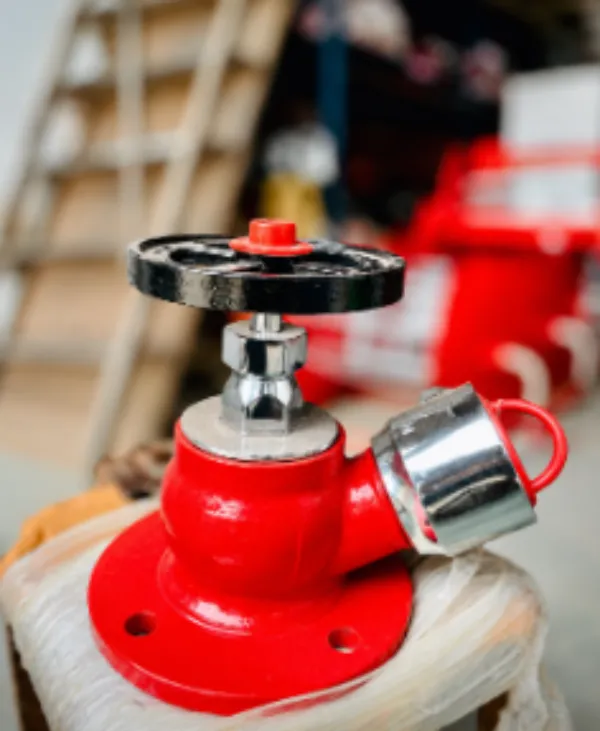
A fire hydrant system is a fixed network designed to deliver water to different parts of a building or industrial premises during firefighting operations. It typically includes underground or overhead water storage, piping, landing valves, hydrants, pumps, hoses, and associated accessories.
Unlike portable firefighting equipment, hydrant systems are intended to supply a continuous flow of water, making them suitable for controlling larger fires where greater firefighting capacity is required.
Why Fire Hydrants Are Essential
Fire hydrants provide a dependable water source that allows firefighters to respond effectively without relying solely on portable extinguishers.
Their key advantages include:
- Continuous water availability during firefighting
- Faster emergency response
- Protection for large buildings and industrial sites
- Support for multiple firefighting points simultaneously
- Integration with broader fire protection systems
For facilities handling machinery, raw materials, finished goods, or high occupant loads, a hydrant system is an essential part of fire preparedness.
Buildings That Benefit from Fire Hydrant Systems
Fire hydrants are commonly installed in:
- Manufacturing plants
- Warehouses and logistics centres
- Hospitals
- Shopping malls
- Hotels
- Educational institutions
- High-rise commercial buildings
- Industrial parks
- Government facilities
- Large residential developments
Many projects across Gujarat incorporate hydrant systems during the design phase to accommodate future expansion and evolving safety requirements.
Factors to Consider Before Choosing a Fire Hydrant System
Selecting the right hydrant system requires evaluating several technical and operational factors.
Building Size and Layout
Larger premises generally require more hydrant points to ensure all areas remain accessible during an emergency.
The layout should allow firefighting personnel to reach every section of the property efficiently.
Nature of Fire Risk
Facilities storing combustible materials, chemicals, packaging, or large quantities of inventory may require enhanced hydrant coverage compared to standard commercial buildings.
A detailed fire risk assessment helps determine the most appropriate system configuration.
Water Supply Capacity
An effective hydrant system depends on a reliable and adequate water source.
Planning should consider:
- Storage tank capacity
- Water pressure
- Pump performance
- Backup water arrangements where applicable
Insufficient water supply can reduce system effectiveness during critical situations.
Fire Pump Compatibility
Hydrant systems often rely on dedicated fire pumps to maintain the required water pressure.
The selected pump should be compatible with the system's design flow and pressure requirements while supporting reliable operation under emergency conditions.
Accessibility
Hydrant points should be positioned where firefighters and trained personnel can access them quickly.
Avoid placing hydrants behind storage racks, machinery, parked vehicles, or other obstructions.
Common Components of a Fire Hydrant System
Although system designs vary, most installations include:
- Fire hydrant valves
- Landing valves
- Hose pipes
- Hose cabinets
- Branch pipes
- Nozzles
- Fire pumps
- Water storage tanks
- Underground and overhead piping
- Pressure gauges
- Control valves
Each component contributes to the overall reliability of the fire protection network.
Common Mistakes to Avoid
Several planning mistakes can reduce the effectiveness of a hydrant system.
These include:
- Installing too few hydrant points
- Selecting inadequate pump capacity
- Ignoring future building expansion
- Blocking hydrant access
- Delaying maintenance
- Neglecting periodic pressure testing
- Using incompatible replacement components
Addressing these issues during planning and maintenance improves long-term performance.
Why Regular Maintenance Is Critical
A hydrant system should never be assumed to remain operational without routine inspection.
Maintenance programmes typically include:
- Pressure testing
- Valve operation checks
- Pump performance testing
- Hose inspection
- Leak detection
- Corrosion assessment
- Water flow verification
- Equipment cleaning
Scheduled inspections help ensure the system performs as intended during emergencies.
Integrating Fire Hydrants with Other Fire Protection Systems
Fire hydrants provide the greatest value when combined with other fire safety measures.
A comprehensive fire protection strategy may include:
- Fire alarm systems
- Automatic sprinkler systems
- Fire hose reels
- Fire extinguishers
- Smoke detection systems
- Emergency lighting
- Evacuation planning
Working together, these systems create multiple layers of protection that improve emergency preparedness.
Supporting Safer Buildings Across Gujarat
As commercial infrastructure and industrial facilities continue to expand throughout Gujarat, reliable fire protection planning has become increasingly important. Choosing the right fire hydrant system involves more than selecting equipment—it requires careful assessment of the building, its risks, and its long-term operational needs.
Manufacturers such as Marichi Fire and Safety offer fire protection products that support a wide range of commercial and industrial applications. Reviewing product specifications through resources like marichifiresafety.com, consulting qualified fire safety professionals, and maintaining equipment through regular inspections can help organizations develop dependable fire protection systems that contribute to safer workplaces and more resilient infrastructure.
Keywords