
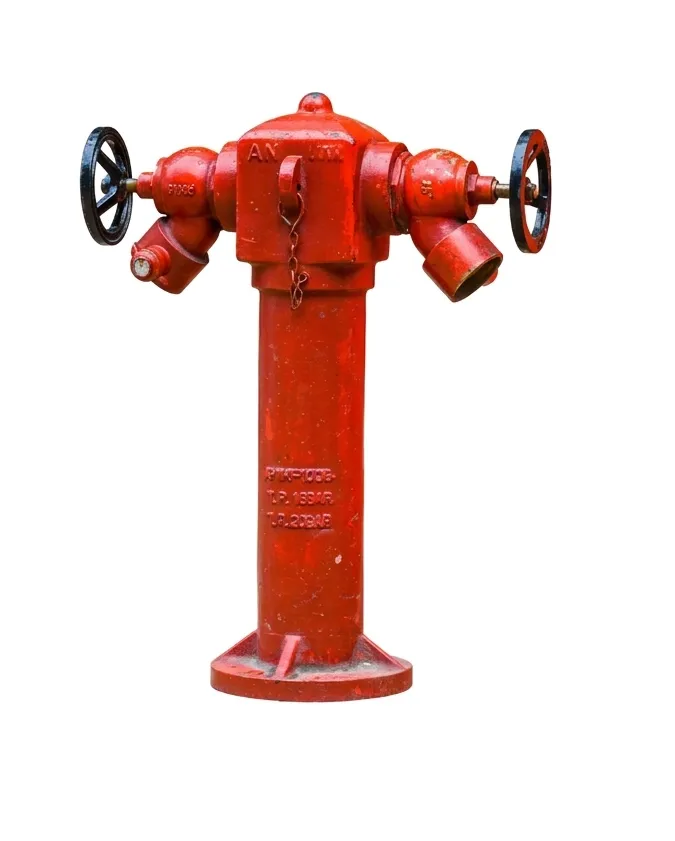
A Fire Stand Post is a vital part of an external fire hydrant network, providing firefighters with immediate access to water during an emergency. While it may appear to be a simple component, its location, installation quality, accessibility, and integration with the overall fire protection system have a significant impact on firefighting operations.
For commercial complexes, industrial plants, residential townships, hospitals, educational campuses, logistics parks, and government buildings across Gujarat, properly installed fire stand posts help improve emergency preparedness and support faster fire response. Understanding the planning considerations before project completion can prevent costly modifications later while ensuring the fire protection system performs as intended.
What Is a Fire Stand Post?
A fire stand post is an above-ground outlet connected to the building's fire hydrant network. It allows firefighters to connect hoses quickly and draw water from the hydrant system during fire suppression activities.
Unlike portable firefighting equipment, stand posts are permanently installed and designed to deliver a reliable water supply over an extended period.
Depending on the project requirements, stand posts may be installed as:
- Single outlet stand posts
- Double outlet stand posts
- Outdoor hydrant points
- Industrial hydrant connections
The appropriate configuration depends on the size and risk profile of the property.
Why Proper Installation Matters
Even a high-quality stand post may not provide effective support if it is installed in the wrong location or connected to an inadequately designed hydrant system.
Correct installation helps:
- Improve firefighter accessibility
- Reduce response time
- Ensure adequate water delivery
- Support safe firefighting operations
- Minimise operational interruptions during emergencies
Careful planning during the construction stage often eliminates the need for expensive alterations after project completion.
Choosing the Right Installation Location
Stand posts should be positioned where emergency responders can reach them quickly without unnecessary obstacles.
Important considerations include:
- Clear vehicle access
- Open working space
- Visibility from approach roads
- Safe distance from potential fire hazards
- Protection against accidental impact
- Convenient hose deployment
Poor placement behind parked vehicles, storage areas, or landscaping can delay firefighting efforts.
Integrating the Stand Post with the Fire Hydrant Network
A stand post functions as part of the complete fire hydrant system rather than as an independent component.
The connected infrastructure generally includes:
- Underground water storage
- Fire pumps
- Hydrant piping
- Isolation valves
- Landing valves
- Hose cabinets
- Pressure monitoring equipment
Proper hydraulic design ensures that sufficient water pressure reaches every stand post during firefighting operations.
Factors Builders Should Evaluate Before Installation
Construction teams should review several project-specific factors before finalising installation.
These include:
Site Layout
The building's footprint, road network, and emergency access routes influence stand post positioning.
Large industrial campuses may require multiple stand posts to provide complete coverage.
Building Occupancy
Facilities with high occupancy or complex operations often require more comprehensive fire protection planning.
Examples include:
- Hospitals
- Shopping centres
- Manufacturing facilities
- Warehouses
- Educational institutions
Each occupancy type presents different operational considerations.
Future Expansion
Many industrial facilities continue to grow after initial construction.
Planning stand post locations with future development in mind helps reduce modification costs later.
Importance of Water Pressure
A fire stand post is only effective if the hydrant system can provide adequate pressure.
Pressure depends on several factors:
- Fire pump capacity
- Water storage availability
- Pipe sizing
- System design
- Simultaneous demand during emergencies
Routine pressure testing confirms that the system continues to meet operational requirements.
Maintenance After Installation
Installation is only the beginning of the equipment's service life.
A regular maintenance programme should include:
- Visual inspection
- Valve operation testing
- Leak detection
- Corrosion checks
- Pressure testing
- Signage inspection
- Accessibility verification
Preventive maintenance helps ensure dependable operation throughout the equipment's lifespan.
Common Installation Mistakes
Several avoidable issues can reduce the effectiveness of fire stand posts.
Examples include:
- Installing too close to permanent obstructions
- Ignoring future site development
- Inadequate spacing between stand posts
- Poor drainage around installation points
- Delaying maintenance after commissioning
- Failing to identify stand posts clearly
Addressing these issues during construction improves long-term system performance.
Fire Stand Posts Within a Complete Fire Protection Strategy
Stand posts work most effectively when integrated with other fire protection systems.
These commonly include:
- Fire alarm systems
- Fire pumps
- Fire hydrants
- Fire hose reels
- Fire extinguishers
- Automatic sprinkler systems
- Emergency evacuation planning
Together, these systems create a coordinated approach to fire protection that supports both occupants and emergency responders.
Supporting Safer Infrastructure Across Gujarat
As Gujarat continues to develop industrial zones, commercial projects, healthcare facilities, and public infrastructure, properly planned fire protection systems remain an essential part of responsible construction. A well-positioned and professionally installed fire stand post enhances emergency readiness while supporting efficient firefighting operations.
Manufacturers such as Marichi Fire and Safety provide fire protection equipment suitable for a wide range of commercial and industrial applications. Reviewing technical information through resources like marichifiresafety.com and working with experienced fire protection consultants during project planning can help builders and facility managers implement reliable systems that contribute to safer, more resilient buildings for years to come.
Keywords