Selecting the right fire protection system is one of the most important decisions during the planning or renovation of a commercial or industrial building. Among the most commonly discussed options are the Fire Sprinkler system and the fire hose reel. While both play a valuable role in fire safety, they serve different purposes and are designed to respond to different situations.
For builders, MEP consultants, industrial facility managers, and commercial property owners across Gujarat, understanding the differences between these systems can help in designing a fire protection strategy that is both effective and appropriate for the building's risks.
Understanding the Purpose of Each System
Although both systems use water to control fires, they operate in completely different ways.
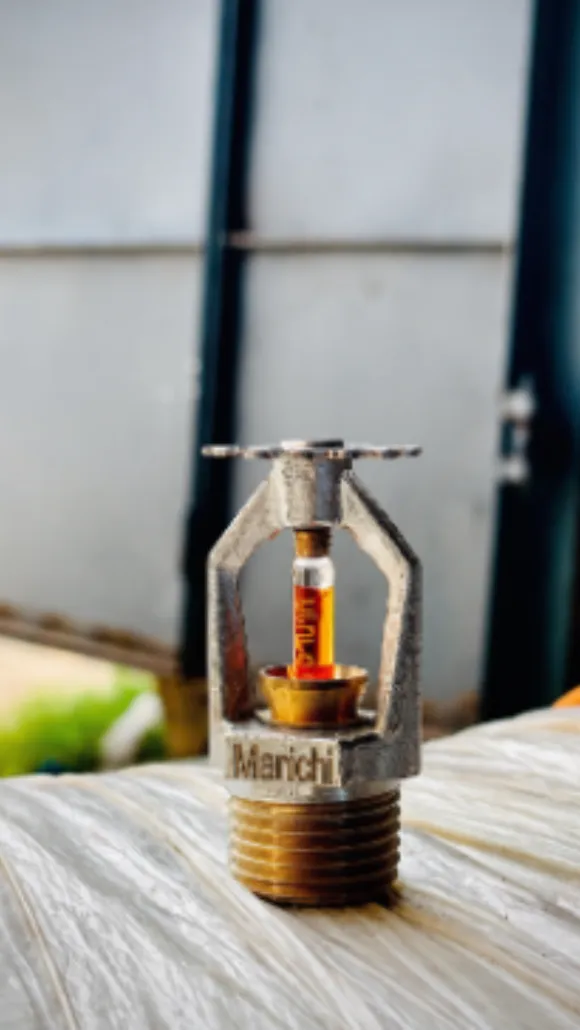
A fire sprinkler system is designed to activate automatically when the surrounding temperature reaches a predetermined level. Individual sprinkler heads release water only where the fire occurs, helping to control or suppress the fire before it spreads.
A fire hose reel, on the other hand, requires manual operation. It provides a continuous water supply through a semi-rigid hose that trained personnel can use to combat a fire during its early stages.
Rather than competing with one another, these systems often complement each other within a comprehensive fire protection plan.
How Fire Sprinklers Work
Fire sprinklers are connected to a dedicated water supply through a network of pipes installed throughout the building.
When heat from a fire reaches the activation temperature of a sprinkler head:
- The heat-sensitive element activates.
- Water is discharged only from the affected sprinkler.
- The fire is cooled and its spread is slowed.
- Additional sprinklers activate only if heat reaches their individual activation points.
This targeted response minimizes unnecessary water discharge while providing rapid fire suppression.
How Fire Hose Reels Work
A fire hose reel is connected directly to the building's water supply and remains ready for manual use.
During an emergency:
- The hose is pulled from the reel.
- The valve is opened.
- The nozzle is directed toward the base of the fire.
- Water flows continuously until the valve is closed.
Because it requires human intervention, its effectiveness depends on trained occupants being able to respond safely.
Comparing Fire Sprinklers and Fire Hose Reels
Activation
Fire Sprinklers
- Operate automatically
- Begin responding without human intervention
Fire Hose Reels
- Require manual operation
- Depend on trained personnel
Best Applications
Fire Sprinklers
- Offices
- Shopping malls
- Hospitals
- Hotels
- Warehouses
- Manufacturing plants
- High-rise buildings
Fire Hose Reels
- Industrial facilities
- Schools
- Commercial buildings
- Warehouses
- Areas where trained personnel are available
Fire Control Capability
Sprinklers begin suppressing the fire immediately after activation, often limiting fire growth before emergency responders arrive.
Fire hose reels allow operators to direct water precisely but are most suitable when the fire remains small and conditions are safe for manual intervention.
Advantages of Fire Sprinkler Systems
Automatic sprinklers provide several practical benefits.
These include:
- Early fire suppression
- Reduced fire spread
- Improved occupant safety
- Lower property damage
- Continuous operation without human intervention
- Integration with fire alarm systems
For buildings with high occupancy or valuable assets, automatic response can be particularly valuable.
Advantages of Fire Hose Reels
Fire hose reels also offer important benefits.
They provide:
- Continuous water supply
- Greater control over water direction
- Longer operating duration than portable extinguishers
- Simple operation after basic training
- Effective response to Class A fires involving wood, paper, textiles, and similar materials
They are often used as part of a wider firefighting strategy.
Can Both Systems Be Installed Together?
Yes. In fact, many commercial and industrial buildings use both systems because they serve different purposes.
A combined fire protection strategy may include:
- Fire alarm systems
- Fire sprinklers
- Fire hose reels
- Fire hydrants
- Fire pumps
- Portable fire extinguishers
- Emergency lighting
This layered approach improves overall emergency preparedness and provides multiple options depending on how the incident develops.
Factors to Consider Before Choosing
When deciding which system is appropriate, building owners should evaluate:
- Building size
- Occupancy levels
- Nature of operations
- Fire hazards
- Water supply availability
- Maintenance requirements
- Local fire safety regulations
- Future expansion plans
A detailed fire risk assessment helps determine the most suitable combination of equipment rather than relying on a single solution.
Maintenance Requirements
Regardless of the system selected, regular inspection is essential.
Maintenance typically includes:
- Water pressure testing
- Pipe inspections
- Sprinkler head examination
- Hose condition checks
- Valve operation testing
- Pump performance verification
- Functional system testing
Routine maintenance ensures the equipment remains ready for use when required.
Choosing the Right Fire Protection Strategy
There is no universal answer to whether a fire sprinkler or a fire hose reel is better. Each addresses different aspects of fire protection, and many buildings benefit from installing both as part of an integrated system.
As Gujarat continues to expand its industrial and commercial infrastructure, thoughtful fire protection planning has become increasingly important. Manufacturers such as Marichi Fire and Safety provide fire safety solutions for a variety of applications, supporting builders, consultants, and facility managers in selecting appropriate equipment. Reviewing technical information through resources like marichifiresafety.com and working with qualified fire protection professionals can help organizations implement systems that enhance safety, support compliance, and improve emergency preparedness over the long term.
Keywords