Fire protection systems are made up of several interconnected components, and each one has a specific purpose. While equipment such as hydrants, hose reels, and fire hoses receive considerable attention, the Fire Hose Box is often overlooked despite its important role in safeguarding firefighting equipment. A well-designed hose box ensures that essential equipment remains protected, accessible, and ready for use whenever an emergency occurs.
In Gujarat, where industries, commercial complexes, healthcare facilities, educational institutions, warehouses, and residential developments continue to expand, maintaining firefighting equipment in good condition is just as important as installing it. Choosing the appropriate fire hose box contributes to better equipment longevity, improved emergency response, and compliance with fire safety requirements.
What Is a Fire Hose Box?
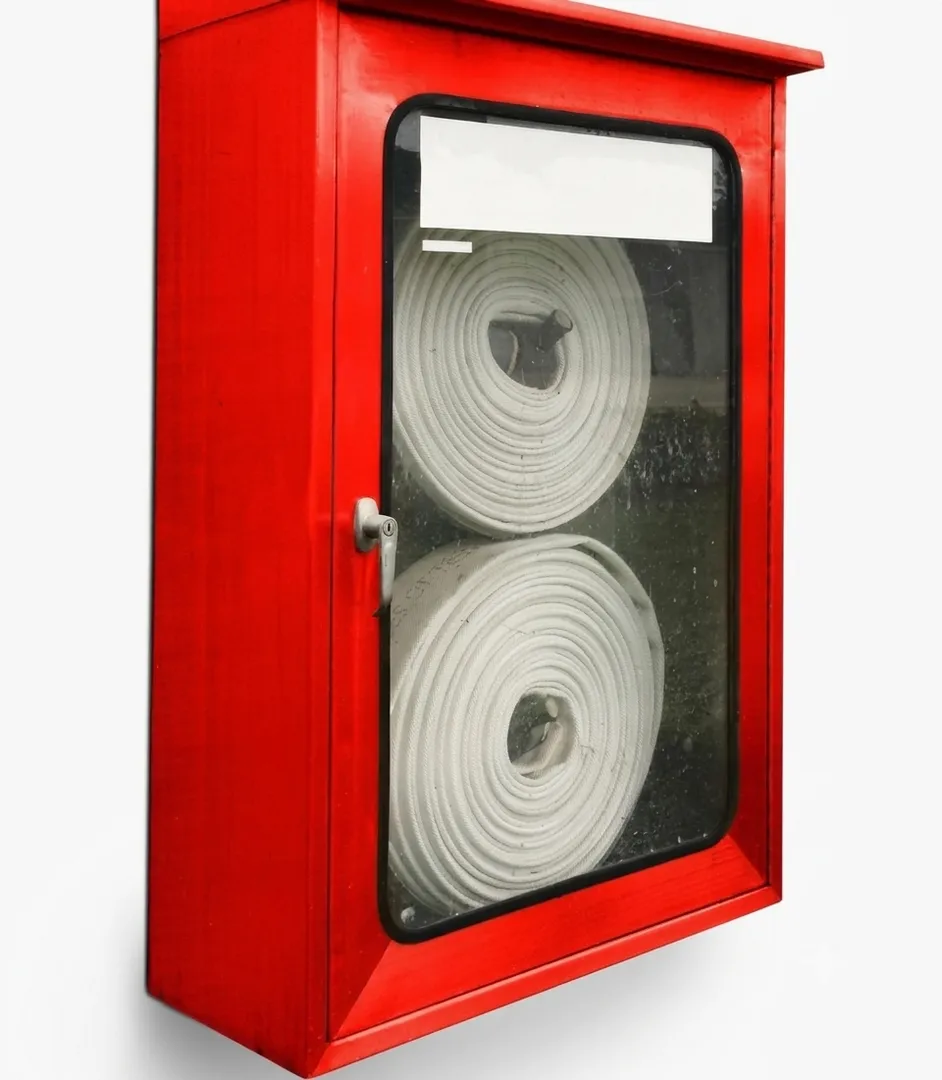
A fire hose box is a protective enclosure specifically designed to store firefighting equipment safely. Depending on the installation, it may house:
- Fire hoses
- Hose reels
- Landing valves
- Branch pipes
- Nozzles
- Hose couplings
- Fire hydrant accessories
Its primary purpose is to keep this equipment protected from dust, moisture, accidental damage, and unauthorized handling while ensuring it can be accessed quickly during an emergency.
Unlike simple storage cabinets, fire hose boxes are engineered for demanding environments where reliability is critical.
Why Is a Fire Hose Box Important?
Firefighting equipment is only effective if it remains in proper working condition. Exposure to environmental conditions or physical damage can reduce performance when it is needed most.
A fire hose box helps by:
- Protecting hoses from sunlight and weather exposure
- Preventing corrosion of metal components
- Keeping equipment organized
- Reducing the risk of accidental damage
- Improving visibility during emergencies
- Supporting faster response times
Proper storage also simplifies routine inspections because maintenance personnel can easily verify that all components remain complete and serviceable.
Where Are Fire Hose Boxes Commonly Installed?
Fire hose boxes are suitable for a wide range of buildings and facilities.
Typical applications include:
- Manufacturing plants
- Industrial estates
- Warehouses
- Office complexes
- Shopping malls
- Hospitals
- Schools and colleges
- Hotels
- Airports
- Government buildings
- High-rise residential projects
As industrial infrastructure continues to develop across Gujarat, many projects incorporate fire hose boxes as part of comprehensive fire protection planning from the construction stage itself.
Types of Fire Hose Boxes
Selecting the right enclosure depends on the building layout, environmental conditions, and the type of firefighting equipment being stored.
Surface-Mounted Fire Hose Boxes
These are installed directly onto walls and are commonly used where recessed installation is not practical.
Advantages include:
- Easier installation
- Simple maintenance access
- Suitable for retrofit projects
- Recessed Fire Hose Boxes
These boxes are partially built into the wall, creating a cleaner appearance while saving corridor space.
They are often preferred for:
- Hospitals
- Hotels
- Office buildings
- Educational institutions
- Outdoor Fire Hose Boxes
Outdoor models are designed to withstand harsh environmental conditions.
Features may include:
- Weather-resistant construction
- Corrosion-resistant finishes
- Lockable doors
- Durable hinges
- Protective seals
These are particularly useful for factories, warehouses, logistics parks, and industrial campuses.
Factors to Consider Before Choosing a Fire Hose Box
Selecting a fire hose box involves more than matching dimensions. Several practical considerations help ensure long-term performance.
Material Quality
High-quality steel or corrosion-resistant materials offer better durability, particularly in industrial environments where moisture, chemicals, or outdoor exposure may be present.
Equipment Compatibility
The enclosure should comfortably accommodate all required firefighting equipment without overcrowding or restricting quick access.
Accessibility
The box should be positioned where trained personnel can reach it easily during an emergency. Obstructions should always be avoided.
Visibility
Clear identification helps occupants locate firefighting equipment quickly, especially in smoke-filled or stressful situations.
Environmental Conditions
Facilities near coastal regions, chemical plants, or areas with high humidity should consider materials and coatings that resist corrosion over extended periods.
The Importance of Regular Inspection
Even the most durable fire hose box requires periodic inspection as part of a building's fire safety maintenance program.
Routine inspections generally include checking:
- Door operation
- Locking mechanisms
- Corrosion
- Paint condition
- Internal cleanliness
- Equipment completeness
- Signage visibility
These inspections help ensure that stored firefighting equipment remains accessible and functional when required.
Common Mistakes to Avoid
Organizations sometimes underestimate the importance of proper storage, leading to avoidable problems.
Some common mistakes include:
- Installing undersized boxes
- Blocking access with stored materials
- Ignoring damaged doors or hinges
- Allowing moisture to accumulate inside
- Failing to replace missing equipment after inspections
- Skipping regular maintenance
Addressing these issues proactively can improve both equipment lifespan and emergency readiness.
Integrating Fire Hose Boxes into a Complete Fire Protection Plan
A fire hose box is only one part of an effective fire safety system. It works alongside several other components that collectively help protect people and property.
These systems often include:
- Fire hydrants
- Fire hose reels
- Fire alarm systems
- Fire pumps
- Automatic sprinklers
- Portable fire extinguishers
- Emergency evacuation planning
When these elements are designed to function together, buildings are better prepared to respond to fire incidents efficiently.
As construction, manufacturing, and infrastructure projects continue to grow throughout Gujarat, investing in dependable fire protection solutions remains a priority for many organizations. Manufacturers such as Marichi Fire and Safety support these requirements by producing fire safety equipment designed for diverse commercial and industrial applications. Evaluating equipment specifications carefully and referring to resources such as marichifiresafety.com can help project planners make informed decisions that contribute to safer, more resilient buildings.
Keywords