Industrial facilities operate in environments where fire risks can vary widely depending on the nature of production, storage materials, electrical systems, and day-to-day operations. Whether it is a manufacturing plant, warehouse, pharmaceutical unit, food processing facility, engineering workshop, or logistics hub, having the right Fire Fighting Equipment is an essential part of workplace safety. Equally important is ensuring that the equipment remains functional, accessible, and appropriate for the specific risks within the facility.
Gujarat is home to some of India's largest industrial clusters, making fire preparedness a critical responsibility for facility managers, safety officers, procurement teams, and business owners. A structured checklist helps organizations identify gaps before they become serious safety concerns and supports better compliance with fire safety requirements.
Why a Fire Fighting Equipment Checklist Is Important
Many businesses install firefighting systems during construction but fail to review them regularly. Equipment can deteriorate over time, layouts may change, and production processes often evolve, creating new fire risks.
A comprehensive checklist helps organizations:
- Verify that equipment is operational
- Improve emergency readiness
- Support routine maintenance planning
- Reduce the likelihood of equipment failure
- Promote safer working environments
- Assist during internal and external safety audits
Rather than reacting after an incident, businesses can proactively strengthen their fire protection strategy.
Step 1: Review the Facility's Fire Risk Profile
Before inspecting equipment, assess whether the existing fire protection measures still match the facility's operations.
Consider questions such as:
- Have new production lines been added?
- Are combustible materials stored differently?
- Has warehouse capacity increased?
- Have electrical installations expanded?
- Are hazardous chemicals now handled on-site?
Changes in operations often require updates to firefighting systems.
Step 2: Inspect Fire Extinguishers
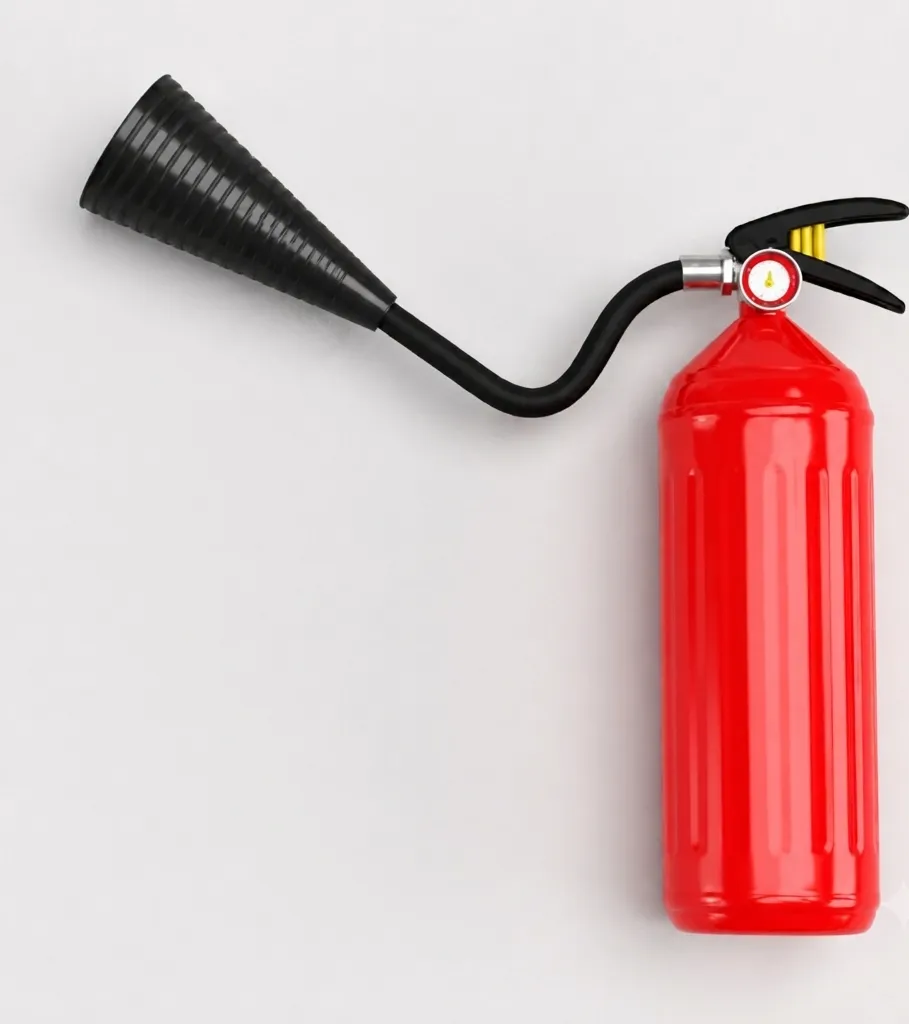
Portable extinguishers are usually the first line of defence against small fires.
Check that:
- Units are located in designated positions
- Pressure indicators remain within the recommended range
- Safety pins and seals are intact
- Inspection tags are current
- No physical damage or corrosion is visible
- Appropriate extinguisher types match identified fire hazards
Employees should also know how to use extinguishers safely.
Step 3: Verify Fire Hydrant Systems
Fire hydrants play a major role in controlling larger fires, particularly within industrial premises.
Review the following:
- Hydrant valves operate smoothly
- Water pressure meets design requirements
- Landing valves remain undamaged
- Hose connections fit securely
- Hydrant points are clearly marked
- Access routes remain unobstructed
Routine testing ensures reliable performance during emergencies.
Step 4: Examine Fire Hose Reels and Fire Hoses
Fire hose reels and hoses should always remain ready for immediate use.
Inspect for:
- Hose damage
- Leaks
- Smooth reel operation
- Functional nozzles
- Adequate water flow
- Proper storage after testing
Damaged hoses should never remain in service without replacement.
Step 5: Test Fire Alarm Systems
Fire alarms provide the early warning needed for safe evacuation.
A proper inspection should include:
- Smoke detector testing
- Heat detector verification
- Manual call point operation
- Alarm sound levels
- Visual warning devices
- Control panel status
- Backup battery condition
Early detection significantly improves emergency response times.
Step 6: Evaluate Fire Sprinkler Systems
Automatic sprinkler systems require periodic inspection even if they have never activated.
Important checkpoints include:
- Sprinkler heads remain unobstructed
- No signs of corrosion
- Pipework remains leak-free
- Isolation valves are correctly positioned
- Water supply remains available
Blocked or painted sprinkler heads should be addressed immediately.
Step 7: Inspect Fire Pumps
Fire pumps maintain adequate water pressure throughout the firefighting system.
Routine checks include:
- Pump start-up testing
- Fuel or power supply verification
- Pressure readings
- Control panel operation
- Cooling systems
- Mechanical condition
- Scheduled maintenance records
Reliable pump performance supports hydrants, sprinklers, and hose reels simultaneously.
Step 8: Check Equipment Accessibility
Even the best equipment is ineffective if it cannot be reached quickly.
Walk through the facility and confirm that:
- Fire equipment remains visible
- Emergency pathways stay clear
- Storage materials do not block equipment
- Safety signage is easy to identify
- Emergency lighting functions properly
Small obstructions can create significant delays during an emergency.
Step 9: Review Employee Preparedness
Equipment alone cannot provide complete protection.
Confirm that employees:
- Understand evacuation procedures
- Know equipment locations
- Participate in regular fire drills
- Report damaged equipment promptly
- Recognize alarm signals
Well-trained staff contribute to a faster and more organized emergency response.
Step 10: Maintain Accurate Inspection Records
Documentation is an important part of fire safety management.
Maintain records for:
- Monthly inspections
- Annual maintenance
- Equipment replacements
- Fire drills
- System testing
- Corrective actions
Well-maintained records help demonstrate ongoing attention to fire safety and simplify future inspections.
Building a Safer Industrial Environment
A fire fighting equipment checklist is more than a maintenance exercise—it is a practical tool for protecting employees, facilities, and business continuity. Regular inspections help identify small issues before they become costly problems and encourage a proactive approach to workplace safety.
For industrial projects across Gujarat, selecting dependable equipment is equally important. Manufacturers such as Marichi Fire and Safety provide fire protection products designed for commercial and industrial applications. Reviewing technical specifications through resources like marichifiresafety.com and combining quality equipment with regular inspections, professional maintenance, and employee training can help organizations build a stronger and more resilient fire safety programme.
Keywords