
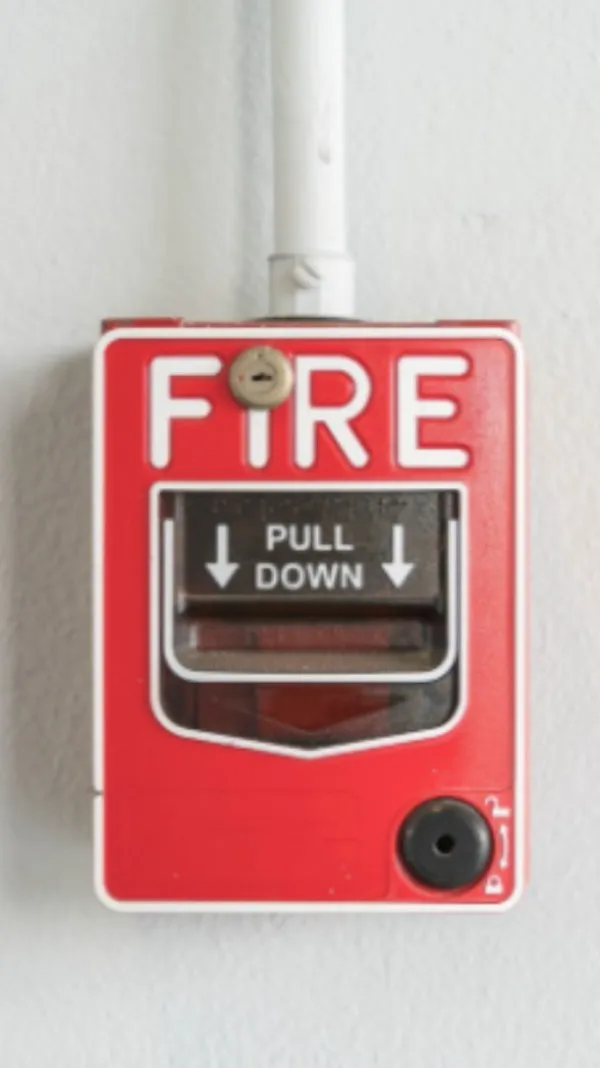
A fire alarm system is one of the first lines of defence during a fire emergency. It provides early warning, allowing occupants to evacuate safely while enabling emergency response teams to act quickly. However, even the most advanced equipment may not perform effectively if the Fire Alarm System Installation is poorly planned or incorrectly executed.
As industrial and commercial developments continue to expand across Gujarat, building owners are recognising that proper installation is just as important as selecting quality equipment. Understanding common mistakes can help project teams create a more dependable fire detection system.
Why Correct Installation Matters
A fire alarm system is designed to detect signs of fire such as smoke, heat, or manual activation and immediately alert occupants.
An effective installation helps:
- Detect emergencies at an early stage
- Improve evacuation efficiency
- Support firefighting operations
- Reduce property damage
- Enhance occupant safety
Incorrect installation can delay detection or create false alarms that reduce confidence in the system.
Mistake 1: Installing the System Too Late in the Project
Fire alarm planning should begin during the building design stage rather than after construction is nearly complete.
Early planning allows engineers and consultants to coordinate:
- Cable routing
- Detector placement
- Control panel location
- Emergency power requirements
- Integration with other fire protection systems
Late-stage changes often increase costs and create installation challenges.
Mistake 2: Poor Detector Placement
Smoke and heat detectors must be positioned according to the building layout and occupancy type.
Improper placement may result in:
- Delayed detection
- Blind spots
- Frequent nuisance alarms
- Reduced system effectiveness
Every area should be assessed individually rather than relying on a standard layout.
Mistake 3: Ignoring Building Usage
Different facilities have different fire risks.
For example:
- Warehouses contain high storage loads.
- Pharmaceutical facilities may require specialised detection strategies.
- Hotels prioritise occupant evacuation.
- Hospitals must protect patients with limited mobility.
- Manufacturing plants may have machinery that influences detector selection.
Installation should reflect how the building is actually used.
Mistake 4: Failing to Integrate with Other Fire Protection Systems
Modern fire protection relies on multiple systems working together.
Fire alarms may need to communicate with:
- Fire sprinkler systems
- Fire pumps
- Smoke management systems
- Emergency lighting
- Public address systems
- Access control systems
Proper integration improves the overall emergency response.
Mistake 5: Overlooking Manual Call Points
Automatic detection is important, but manual call points allow occupants to activate the alarm immediately if they discover a fire before detectors respond.
They should be installed in visible, accessible locations where occupants can easily reach them during an emergency.
Mistake 6: Skipping System Testing
Installation should always be followed by thorough testing.
Commissioning typically verifies:
- Detector response
- Alarm sounders
- Manual call points
- Control panel functions
- Power backup
- Communication between connected systems
Testing helps identify issues before the building becomes operational.
Mistake 7: Neglecting Maintenance Planning
A fire alarm system requires regular inspection throughout its service life.
Routine maintenance may include:
- Detector cleaning
- Battery checks
- Alarm testing
- Cable inspection
- Control panel diagnostics
- Functional testing of manual call points
Preventive maintenance helps maintain long-term reliability.
Choosing an Experienced Installation Partner
The success of a fire alarm system depends on proper planning, quality products, and professional installation. Building owners should evaluate providers based on their technical expertise, project experience, and ability to coordinate with architects, MEP consultants, EPC contractors, and facility managers.
Manufacturers such as Marichi Fire and Safety support industrial, commercial, and institutional projects across Gujarat by supplying fire protection equipment and system solutions that align with broader fire safety requirements. Working with an experienced provider helps ensure that Fire Alarm System Installation supports dependable fire detection, regulatory compliance, and long-term operational safety.
Keywords