
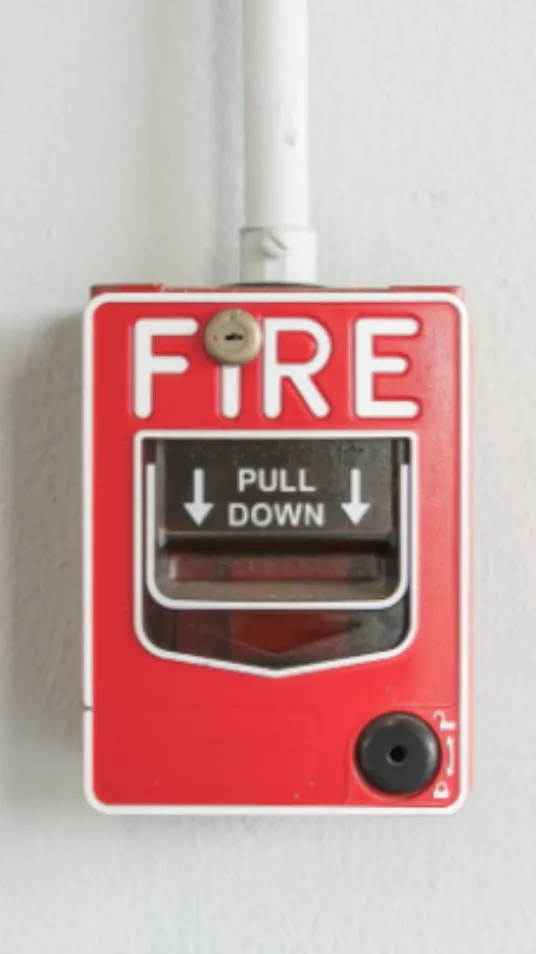
A reliable Fire Alarm System is one of the most effective ways to detect a fire in its early stages and alert building occupants before the situation becomes critical. Whether it is a manufacturing unit, warehouse, office building, hospital, shopping mall, educational institution, or residential complex, early detection can significantly improve evacuation times and support a faster emergency response.
With Gujarat witnessing continuous growth in industrial parks, commercial developments, healthcare facilities, and infrastructure projects, investing in a suitable fire alarm system has become an essential part of responsible building management. However, selecting the right system requires more than comparing product specifications. Understanding the building's requirements, occupancy, and future operational needs helps ensure long-term performance and reliability.
Why a Fire Alarm System Matters
A fire alarm system serves as the first line of defence by identifying signs of fire and immediately notifying occupants.
Its primary objectives include:
- Detecting fire at an early stage
- Alerting occupants to evacuate safely
- Supporting quick emergency response
- Reducing potential property damage
- Helping coordinate firefighting efforts
- Improving overall building safety
For facilities that operate around the clock, such as factories, hospitals, and logistics centres, a dependable alarm system is a critical part of business continuity planning.
Understanding the Main Components
A modern fire alarm system consists of several interconnected devices that work together to detect and communicate emergencies.
Typical components include:
- Smoke detectors
- Heat detectors
- Manual call points
- Fire alarm control panel
- Audible alarms
- Visual alarm indicators
- Power supply with battery backup
- Communication interfaces
Each component contributes to a coordinated response that helps occupants react quickly and safely.
Factors to Consider Before Choosing a Fire Alarm System
Every building has unique fire protection requirements. Before selecting a system, several important factors should be evaluated.
Building Type and Occupancy
The design of the alarm system should reflect how the building is used.
Examples include:
- Manufacturing plants with machinery and production areas
- Hospitals with patients requiring assisted evacuation
- Educational institutions with large numbers of occupants
- Warehouses storing valuable inventory
- Office buildings with multiple floors
Each environment presents different fire detection challenges.
Building Size and Layout
Larger buildings generally require additional detectors, multiple alarm zones, and carefully planned control panels to ensure complete coverage.
Complex layouts may also require enhanced communication between different sections of the building.
Type of Detection Required
Different environments may benefit from different detector technologies.
Common options include:
- Smoke detection
- Heat detection
- Multi-sensor detection
- Beam detectors for large open spaces
Selecting appropriate detection methods reduces false alarms while improving reliability.
Scalability
Buildings often expand over time.
Choosing a system that can accommodate additional detectors, new building sections, or future upgrades helps avoid unnecessary replacement costs later.
Addressable vs Conventional Fire Alarm Systems
One of the most common decisions involves selecting between addressable and conventional alarm systems.
Conventional Systems
These systems divide the building into zones. When an alarm activates, the control panel identifies the affected zone rather than the exact detector.
They are commonly used for:
- Smaller commercial buildings
- Basic office spaces
- Compact educational facilities
Addressable Systems
Addressable systems identify the specific detector that has activated, allowing maintenance teams and emergency responders to locate incidents more quickly.
They are often preferred for:
- Large industrial facilities
- Hospitals
- High-rise buildings
- Shopping centres
- Warehouses
The appropriate choice depends on the complexity and size of the property.
Features Worth Considering
Modern fire alarm systems offer several features that improve performance and ease of management.
Useful capabilities may include:
- Battery backup
- Fault monitoring
- Event history recording
- Remote monitoring compatibility
- Voice evacuation support
- Integration with fire sprinklers
- Integration with fire pumps
- Automatic notification systems
Not every building requires every feature, so system selection should be based on operational requirements rather than unnecessary complexity.
Common Buying Mistakes
Many organizations make purchasing decisions based solely on price.
Some common mistakes include:
- Ignoring future expansion
- Choosing inadequate detector coverage
- Selecting incompatible equipment
- Overlooking maintenance requirements
- Failing to consider building occupancy
- Delaying periodic testing
A well-planned system delivers better long-term value than one selected purely for its initial cost.
Installation and Maintenance Go Hand in Hand
Even high-quality fire alarm equipment requires proper installation and routine maintenance.
A comprehensive maintenance programme should include:
- Detector testing
- Alarm verification
- Battery inspection
- Panel diagnostics
- Wiring inspection
- Device cleaning
- Functional testing
- Documentation updates
Regular maintenance helps ensure that the system remains dependable throughout its service life.
Fire Alarm Systems as Part of a Complete Fire Protection Strategy
An alarm system is most effective when integrated with other fire safety measures.
These may include:
- Fire hydrants
- Fire hose reels
- Automatic sprinkler systems
- Fire pumps
- Portable fire extinguishers
- Emergency lighting
- Evacuation planning
Together, these systems provide multiple layers of protection that help reduce risks and improve emergency preparedness.
As industries, commercial developments, and public infrastructure continue to expand across Gujarat, selecting the right fire alarm system has become an important investment in safety and operational resilience. Manufacturers such as Marichi Fire and Safety offer fire protection solutions designed for a wide range of applications. Reviewing product information through resources like marichifiresafety.com, consulting experienced fire protection professionals, and following a structured maintenance programme can help organizations establish reliable fire detection systems that support safer buildings and more effective emergency response.
Keywords