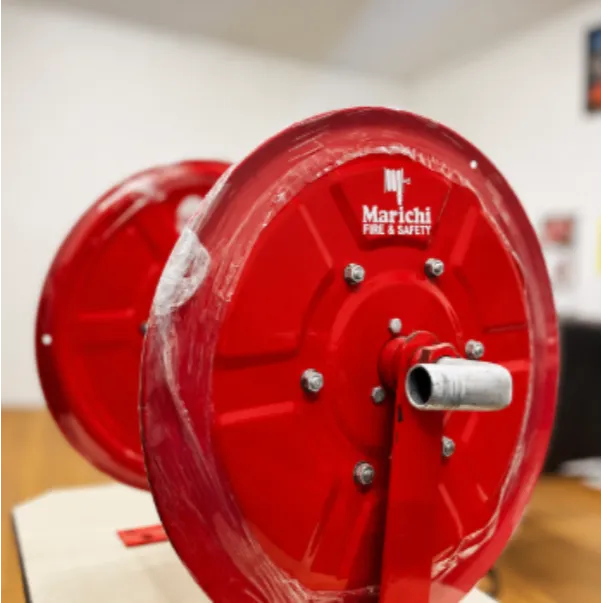
A Fire Hose is one of the most frequently used components in active firefighting operations. Whether connected to a fire hydrant, fire hose reel, or fire pump system, it serves as the vital link that delivers water directly to the fire. However, like any safety-critical equipment, a fire hose requires regular inspection and maintenance to ensure it performs reliably when every second counts.
In Gujarat's growing industrial sectors, commercial buildings, hospitals, warehouses, educational campuses, and infrastructure projects, fire hoses are often exposed to demanding environmental conditions. Dust, moisture, sunlight, chemicals, improper storage, and routine wear can all affect their performance over time. Understanding common problems and adopting a preventive maintenance approach can significantly improve emergency preparedness.
Why Fire Hose Maintenance Is So Important
Many organizations focus on installing fire protection systems but overlook the ongoing maintenance required to keep them operational.
A damaged or poorly maintained fire hose can lead to:
- Reduced water pressure
- Water leakage
- Difficulty during firefighting operations
- Delayed emergency response
- Increased equipment replacement costs
- Higher operational risk during a fire incident
Routine maintenance helps identify small issues before they develop into serious failures.
Common Fire Hose Problems
Recognizing the early signs of damage allows maintenance teams to take corrective action before emergencies occur.
1. Cracks and Surface Damage
Over time, repeated use and environmental exposure may cause cracks, cuts, or abrasions on the hose surface.
Common causes include:
- Dragging hoses across rough surfaces
- Prolonged exposure to sunlight
- Contact with sharp objects
- Improper handling during storage
Visible damage should always be inspected promptly.
2. Water Leakage
Leaks reduce water pressure and limit firefighting effectiveness.
Leakage may occur because of:
- Worn hose material
- Damaged couplings
- Loose fittings
- Internal lining deterioration
Pressure testing helps detect leaks before equipment is required during an emergency.
3. Corroded Couplings
Metal couplings are constantly exposed to moisture and environmental conditions.
Without regular inspection, corrosion may lead to:
- Difficult hose connections
- Poor sealing
- Water loss
- Mechanical failure
Cleaning and inspecting couplings periodically extends their service life.
4. Kinks and Twisting
Improper storage or handling can create permanent bends that restrict water flow.
Excessive kinking may:
- Reduce discharge pressure
- Damage the hose lining
- Make deployment slower during emergencies
Correct rolling and storage techniques help prevent these problems.
5. Internal Wear
Not all damage is visible from the outside.
Repeated water pressure, ageing, or chemical exposure may weaken the hose internally, reducing its strength over time.
Regular testing is necessary because internal deterioration cannot always be identified through visual inspection alone.
Best Practices for Fire Hose Maintenance
An effective maintenance programme should include both visual inspections and functional testing.
Recommended practices include:
- Inspect hoses regularly for physical damage
- Check couplings for corrosion or wear
- Verify nozzle compatibility
- Test water pressure periodically
- Clean hoses after use
- Allow hoses to dry completely before storage
- Store hoses away from direct sunlight and chemicals
- Replace damaged components immediately
Following these steps helps improve equipment reliability and longevity.
Proper Storage Makes a Difference
Correct storage is often overlooked but plays a major role in preserving hose condition.
Fire hoses should be:
- Stored in designated hose cabinets or reels
- Protected from moisture accumulation
- Shielded from excessive heat
- Kept away from chemicals
- Rolled properly without excessive twisting
Good storage practices reduce unnecessary wear between inspections.
Training Staff on Correct Hose Handling
Even high-quality equipment can be damaged through improper use.
Facilities should ensure that maintenance personnel and emergency response teams understand:
- Safe hose deployment
- Proper rolling techniques
- Correct coupling procedures
- Inspection requirements
- Basic troubleshooting
Training not only protects equipment but also improves emergency response efficiency.
Integrating Fire Hose Maintenance into Overall Fire Safety Planning
Fire hoses should never be maintained in isolation. They are part of a complete fire protection system that includes:
- Fire hydrants
- Fire pumps
- Fire hose reels
- Fire alarm systems
- Automatic sprinkler systems
- Fire extinguishers
Routine inspection of all interconnected systems helps ensure that every component functions effectively during an emergency.
Common Mistakes to Avoid
Many facilities unintentionally reduce the effectiveness of their fire hoses through avoidable practices.
These include:
- Skipping scheduled inspections
- Ignoring minor leaks
- Using damaged couplings
- Storing wet hoses
- Blocking access to hose cabinets
- Delaying replacement of worn equipment
Addressing these issues early reduces long-term maintenance costs and improves emergency readiness.
Supporting Reliable Fire Protection
A fire hose is only as dependable as the maintenance programme supporting it. Regular inspections, proper storage, routine pressure testing, and staff training all contribute to reliable performance when firefighting equipment is needed most.
As industrial, commercial, and institutional development continues across Gujarat, maintaining fire protection systems remains a key responsibility for building owners and facility managers. Manufacturers such as Marichi Fire and Safety provide fire safety equipment designed for a variety of applications, helping organizations build dependable fire protection infrastructure. Reviewing technical guidance through resources like marichifiresafety.com and following a structured maintenance schedule can help ensure that fire hoses and related equipment remain ready to perform whenever an emergency arises.
Keywords