A fire hydrant system is only as dependable as the components that make it work. Among these, the hydrant valve plays a vital role by controlling the flow of water during firefighting operations. Whether installed in an industrial plant, commercial complex, hospital, warehouse, or educational campus, a quality valve can make a significant difference when every second counts.
For project owners and consultants planning new developments across Gujarat, selecting the right Fire Hydrant Valve Supplier involves more than comparing product prices. It requires evaluating quality, compliance, durability, and long-term reliability.
What Is a Fire Hydrant Valve?
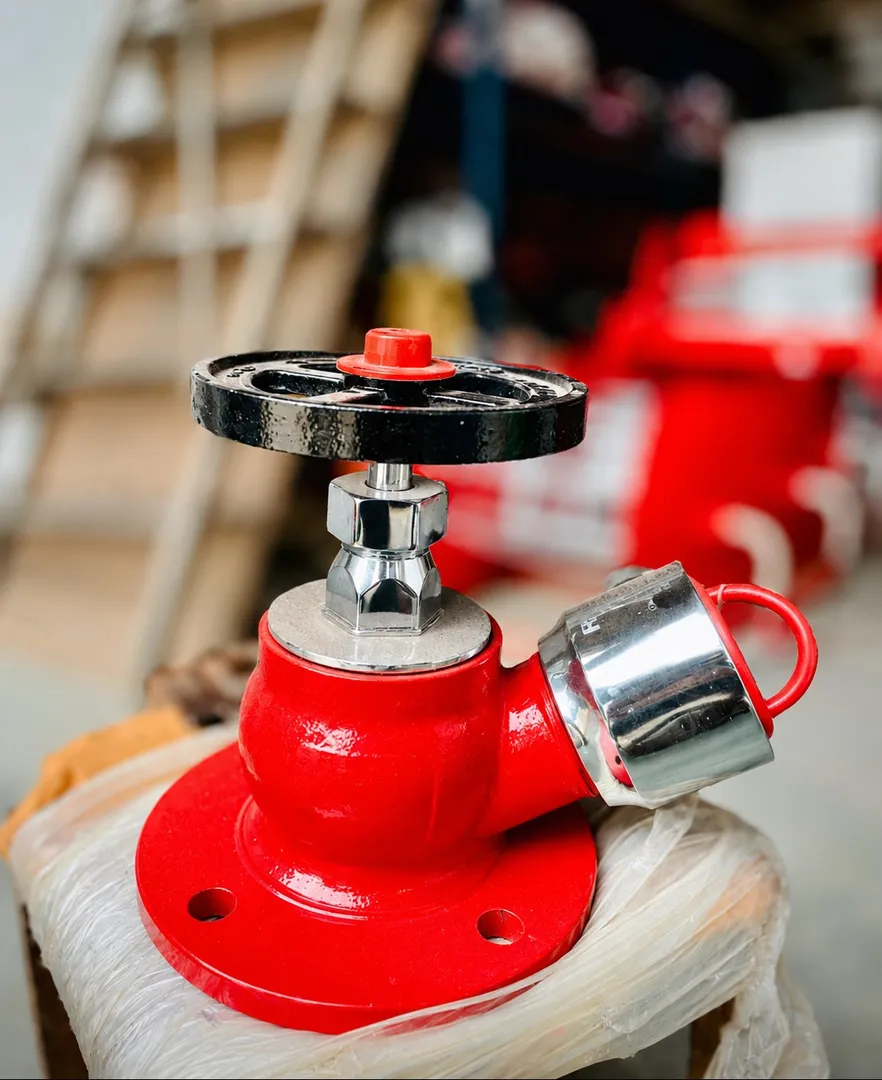
A fire hydrant valve is a manually operated valve installed as part of a fire hydrant system. It allows firefighters or trained personnel to connect hoses and access a reliable water supply during emergencies.
Hydrant valves are commonly installed in:
- Manufacturing facilities
- Commercial buildings
- Warehouses
- Shopping malls
- Hotels
- Hospitals
- Educational institutions
- Pharmaceutical plants
- Oil and gas facilities
- Infrastructure projects
These valves are designed to remain ready for operation even after years of standby service.
Why Product Quality Matters
Unlike frequently used industrial equipment, fire hydrant valves may remain unused for extended periods. However, during a fire emergency, they must function immediately without failure.
A well-manufactured valve helps provide:
- Smooth water flow
- Reliable operation
- Leak-free performance
- Long service life
- Better corrosion resistance
- Consistent pressure handling
Poor-quality products may develop leaks, corrosion, or operational issues that reduce the effectiveness of the entire fire protection system.
Features to Look for in a Fire Hydrant Valve
Before selecting a supplier, buyers should evaluate the product specifications carefully.
Strong Construction
The valve body should be manufactured using durable materials capable of handling demanding operating conditions.
Corrosion Resistance
Industrial environments often expose fire protection equipment to moisture, chemicals, and changing weather conditions. Corrosion-resistant finishes help improve durability.
Smooth Valve Operation
The operating mechanism should open and close easily without excessive force while providing reliable sealing.
Pressure Compatibility
The valve should be suitable for the pressure requirements of the building's fire protection network.
Quality Testing
Manufacturers should conduct performance testing before products leave the factory to verify reliability.
Factors That Differentiate a Reliable Supplier
Choosing a supplier is not only about the product itself. The company's capabilities also matter.
Consider whether the supplier offers:
- Consistent manufacturing standards
- Technical product guidance
- Timely delivery
- Support for large infrastructure projects
- Product documentation
- Quality assurance processes
- Availability of compatible fire protection components
A supplier capable of supporting complete project requirements often simplifies procurement and coordination.
Applications Across Different Industries
Every industry has unique fire protection requirements.
Industrial manufacturing units require robust equipment capable of operating in demanding environments.
Hospitals and educational institutions prioritise dependable emergency preparedness.
Warehouses often require extensive fire hydrant coverage because of high storage volumes.
Commercial buildings need fire protection systems that integrate efficiently with building infrastructure.
Understanding the intended application helps buyers select products suitable for the operating environment.
Questions to Ask Before Finalising a Supplier
During supplier evaluation, consider asking:
- What materials are used in manufacturing the valve?
- How is product quality tested?
- Can the supplier support bulk project requirements?
- Are spare parts available if required?
- Does the supplier provide technical documentation?
- Can the product integrate with existing fire protection systems?
These questions help minimise procurement risks and support long-term performance.
Why Regular Maintenance Is Important
Even high-quality hydrant valves require periodic inspection.
Maintenance activities typically include:
- Operating the valve periodically
- Checking for leaks
- Inspecting corrosion
- Verifying sealing performance
- Cleaning exposed components
- Confirming accessibility
Routine maintenance helps ensure the valve remains operational whenever needed.
Selecting a Supplier for Long-Term Reliability
Many project owners now prefer manufacturers capable of supplying multiple fire protection products rather than sourcing individual components from different vendors. This approach often improves compatibility and simplifies project execution.
Companies such as Marichi Fire and Safety provide fire protection equipment for industrial and commercial projects across Gujarat, helping consultants and contractors source dependable products from a single manufacturer. Evaluating technical expertise, manufacturing consistency, and quality assurance can help businesses select a reliable Fire Hydrant Valve Supplier that supports long-term fire safety objectives.
Keywords